
 お問合せ
お問合せ


学内関連サイト




協力企業・団体

Inter-University Metaverse Connecting Universities Worldwide

(Global Research Collaboration Center / Department of Information and Computer Sciences, Professor Kosuke Takano)
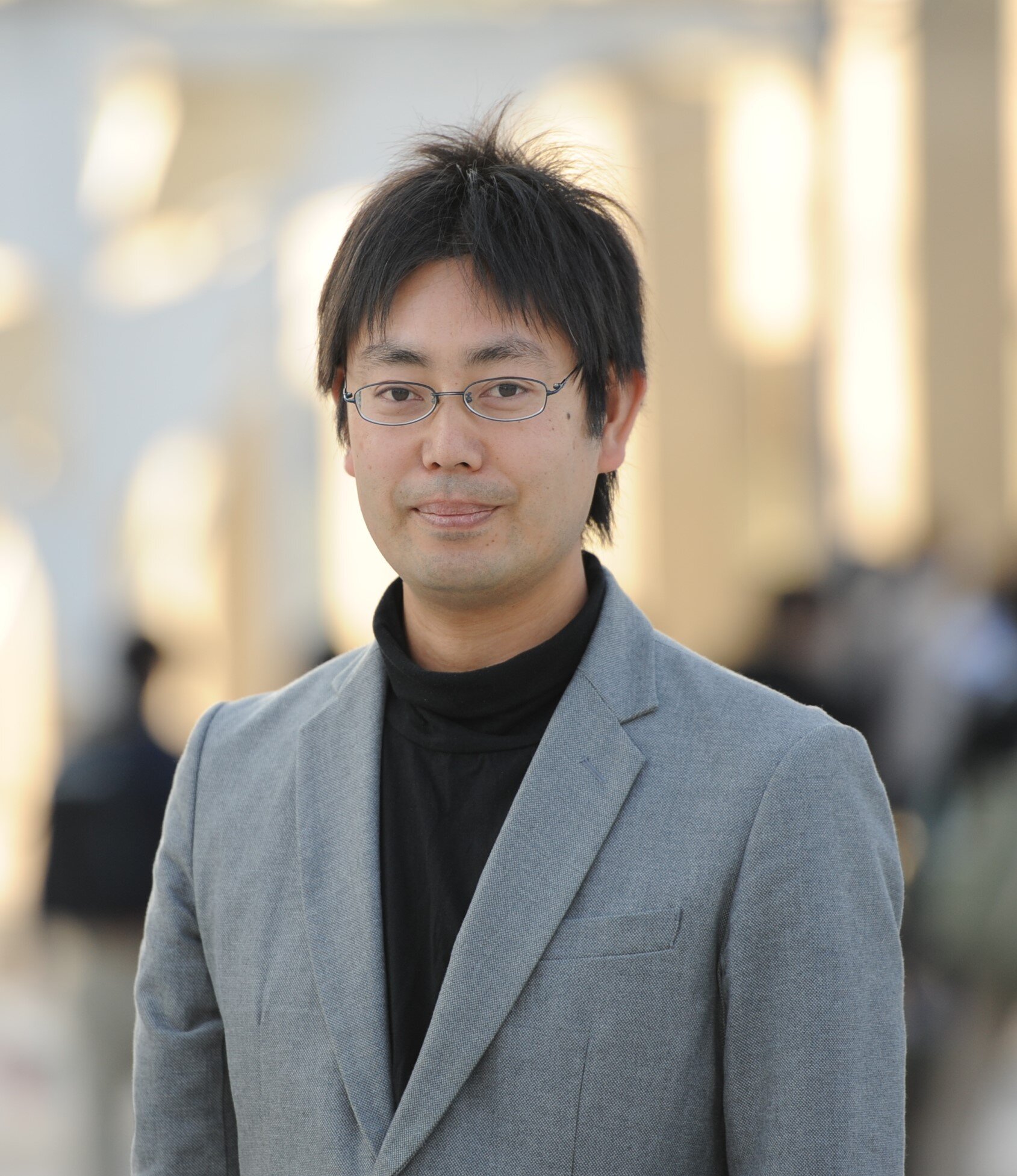
Prof. Kosuke Takano, the global collaboration research center / department of information and computer sciences
The Global Research Collaboration Center collaborates with Chulalongkorn University, King Mongkut’s Institute of Technology Ladkrabang, and Srinakharinwirot University in Thailand, as well as Kanagawa Institute of Technology (KAIT) and Chuo University in Japan, to promote international joint research. The Inter-University Metaverse developed in this project leverages advanced technologies such as AI and VR to seamlessly integrate classes, laboratories, and campuses across universities worldwide. Through this integration, we aim to build an open, interactive, and immersive virtual learning environment platform. This will enable diverse groups of students to learn together across regions and national borders, allow educators to conduct classes, and facilitate researchers in sharing their research outcomes, all within a scalable and sustainable global academic network.
A Metaverse Campus Connecting Universities Around the World
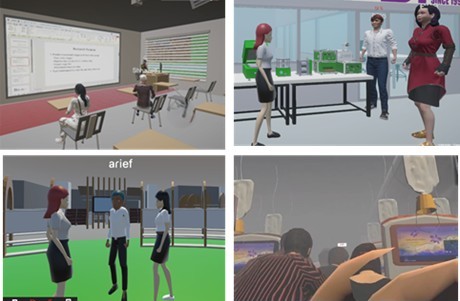
Across the world, there are many fascinating courses, distinctive laboratories, and uniquely appealing university campuses. To connect these diverse educational and research environments, we are building a new framework called the Inter-University Metaverse. Using technologies such as AI and VR (virtual reality), this initiative connects universities globally and provides a learning environment where anyone, from anywhere, can join classes and research activities.
A Future Campus Where Anyone Can Learn from Anywhere
This research aims to create a new “learning space” that connects universities all over the world, enabling anyone to participate in education and research across countries and regions. To achieve this, we are developing metaverse technologies that are safe and accessible for all users, and building a platform that reconstructs and connects outstanding classes, laboratories, and campuses from across the globe within a virtual space. Another goal is to make advanced fields such as AI and STEM (Science, Technology, Engineering, and Mathematics) accessible to learners worldwide. By using VR technologies, we aim to create environments where learners can experience AI and STEM education as if they were physically present.
Learning Together with AI — A New Form of Emotion-Aware Learning
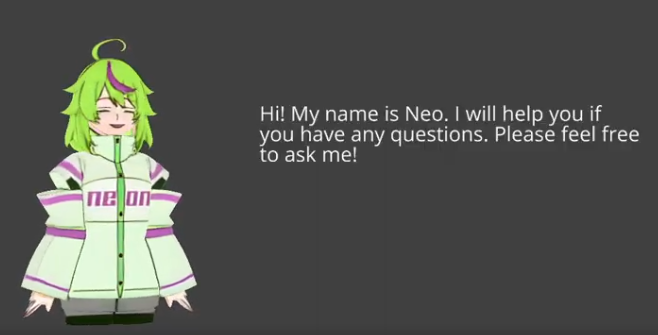
We are also developing Peer AI, an AI system designed to work with learners to enhance self-motivation and creativity. At Kanagawa Institute of Technology, Peer AI is being designed to support learners by responding to the user’s emotional state and sense of closeness. A key feature is its ability to adjust the type of hints and advice it provides depending on the learner’s feelings and motivation. We are also developing friendly 3D character designs and integrating Peer AI technologies into the metaverse to create an enjoyable and supportive learning environment.
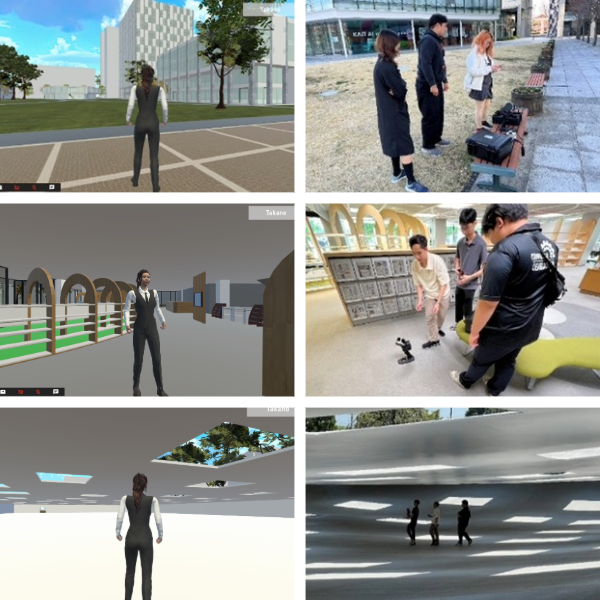
KAIT Metaverse Campus Built Together with Thai Students
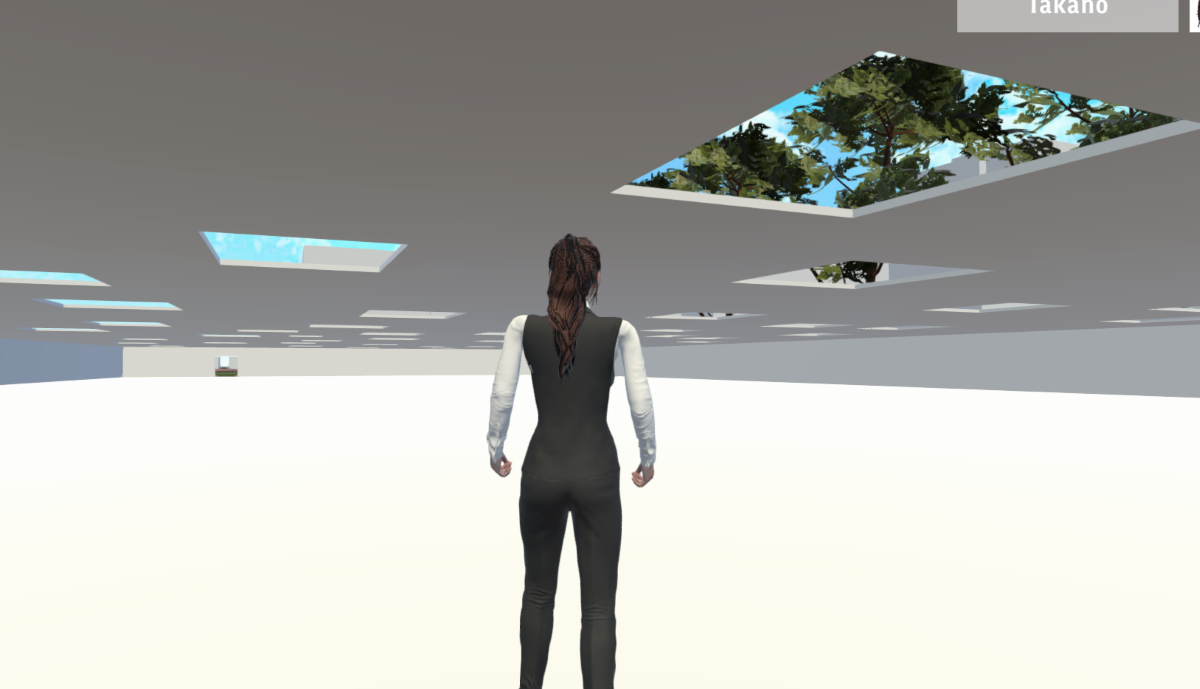
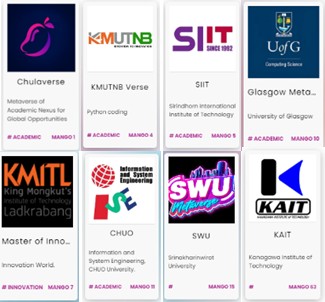
Meanwhile, Chulalongkorn University, King Mongkut’s Institute of Technology Ladkrabang, and Srinakharinwirot University in Thailand are developing a browser-based virtual campus platform known as the Inter-University Metaverse (https://www.mangosgo.com/catalog). Within this metaverse, the campuses of about 30 universities from Japan, Thailand, the UK, and other countries have been recreated.
KAIT’s campus is already available in the metaverse, where visitors can explore the Faculty of Informatics building, the library, the Advanced Technology Research Center, KAITTOWN, KAIT Plaza, and more. This 3D model was created by a student team from Chulalongkorn University who visited KAIT and took detailed measurements of its buildings, resulting in an exceptionally realistic digital recreation of the actual campus.
Future Challenges and Developments
Going forward, we will collaborate with educators and researchers from various fields to build classes, laboratories, and entire campuses within the metaverse, creating environments that anyone can visit, experience, and learn from. To achieve this, we plan to further advance metaverse and AI technologies and develop engaging and socially meaningful educational content. In addition to AI and STEM education, this includes cross-cultural experiences and learning activities related to global environmental issues.
Note: KAIT is the communication name for Kanagawa Institute of Technology.
Website
Global Research Collaboration Center
Global Research Collaboration Center グローバル学術連携センター – 神奈川工科大学 研究推進機構